Trim 30% Tool‑Swap Time and Save per Mile with Modular Racks
You’ll learn how to evaluate modular tool storage for rapid reconfiguration and how hidden costs can erode your mileage budget. Most guides miss the real trade‑offs between weight, compliance and true ROI.
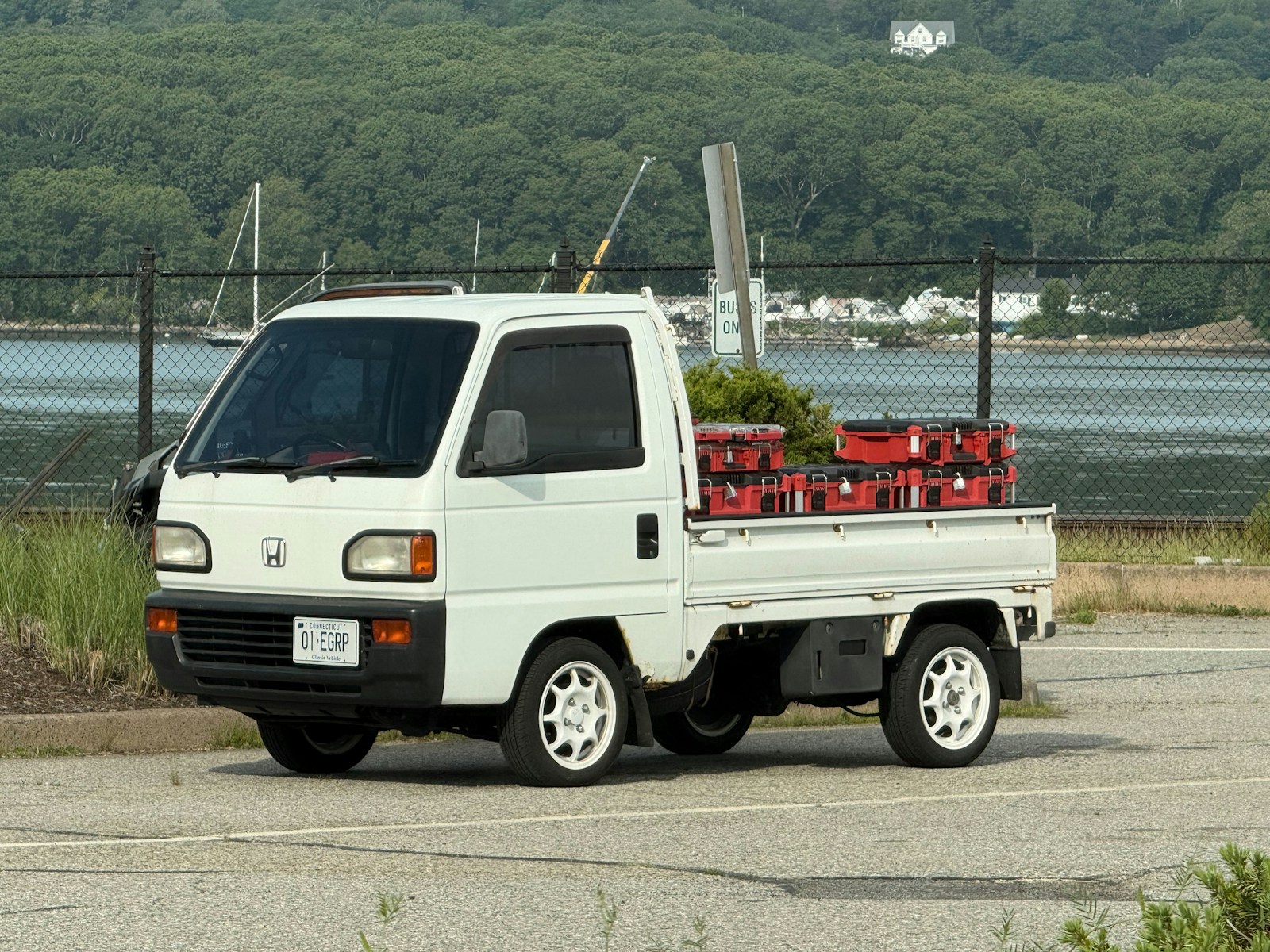
Every jobsite manager knows that a missing wrench can cost a half‑hour of labor, which translates into a direct hit on profit margins the moment the truck rolls out, especially when the client is watching the clock. That delay eats profit and erodes client trust, forcing overtime costs.
Add to that the paperwork required to certify a permanent rack, and the total per‑mile cost spikes by an amount most fleet owners overlook until a DOT audit lands on their doorstep. Those forms often need a mechanic’s signature, costing a half‑day.
Most guides lump modular storage into a single price point, ignoring that a 12‑inch rail system can be half the expense of a welded‑steel locker while delivering the same load‑capacity. A cheap knock‑off rail may look identical, but it can deform under a 150‑lb impact, bending bolt holes and making the system unsafe.
Imagine pulling into a downtown job and swapping out a 30‑lb socket box for a pre‑wired battery charger in under a minute; that speed isn’t magic, it’s a product of standardized mounting brackets. The brackets follow ASTM F2998, so any vendor claiming a proprietary design is likely overcharging.
A well‑designed modular kit uses interchangeable panels that lock into a base rail, meaning the same bolt pattern can accept a tool chest today and a pneumatic regulator tomorrow. Because the panels lock with a quarter‑turn lever, no tools are needed for routine swaps.
If you measure the time saved on each swap and multiply by the average hourly rate of your crew, the return on investment often exceeds the initial purchase price within six months. This calculation also reveals that the break‑even point moves earlier if you factor in reduced equipment wear from fewer drops.
Traditional fixed‑wall cabinets are bolted to the chassis, which makes relocation a three‑hour job involving a lift, a drill, and a full re‑inspection by your safety officer. Moreover, a permanent weld can complicate future frame repairs after a collision.
But a modular rail can be detached with a ½‑inch socket and re‑mounted on a new frame in half the time, shaving days off a seasonal re‑upfit schedule. The modular approach also leaves room for future expansion without re‑engineering the whole side.
These savings compound when you factor in reduced downtime for your drivers, who can stay on the road instead of waiting for a wrench to be located in a static drawer. That extra time translates into more billable miles, a metric that directly feeds your profit and overhead calculations.
Counting mounting points is more than a geometry exercise; each bolt adds weight, each plate adds corrosion risk, and each extra hole can become a failure point under vibration. A simple spreadsheet can track each addition and flag when you approach the 15% ceiling.
A practical rule of thumb is to limit the total number of attachment brackets to no more than 15% of the truck’s payload rating, preserving both balance and fuel efficiency. Exceeding it also raises the vehicle’s center of gravity, affecting handling on slick roads.
When you exceed that threshold, you’ll notice a measurable rise in idle fuel consumption, especially on hill climbs where every extra pound translates into an extra combustion cycle. You can verify the impact by measuring fuel flow at idle before and after installation.
Supply chain fluctuations can turn a $200 rail into a $500 surprise if you order from a distributor that sources overseas without transparent lead‑times. Ask for a lead‑time guarantee; otherwise you may end up waiting weeks for a single connector.
Because many manufacturers bundle adapters and hardware into a single SKU, the invoice often hides the true cost of each component, leaving you to chase down missing pieces later. A missing screw can turn a flawless rack into a safety hazard on the road.
The most common hidden fee is a re‑drill surcharge that shops add when you request a non‑standard hole pattern after the rack has been fabricated. That surcharge can easily add $200 to your bill, eroding the savings you expected.
Step one: inventory every tool you currently carry, grouping them by frequency of use and weight, then map those groups onto a modular grid that matches your truck’s sidewall dimensions. Document the grid on a printed layout so your crew can visualize the final arrangement before any drilling.
Cost ranges for a complete rail‑and‑panel system run from roughly $150 per linear foot for basic steel to $350 per foot for stainless or powder‑coated alloys that resist rust in coastal climates. If corrosion resistance is a priority, expect the higher end of that range, especially for trucks that operate near seawater.
Don’t assume the quoted price includes mounting brackets; most vendors price those separately at $20‑$45 each, and you’ll need enough to cover both sides of the vehicle. These brackets often come with a limited lifetime guarantee, so verify the terms before you buy.
If you install the system yourself, labor can be saved, but factor in the cost of a floor jack, a torque wrench, and the time spent re‑certifying the load chart for compliance. Remember that any deviation from the OEM‑approved load chart may trigger an audit from the DOT.
Before you sign any contract, request a detailed line‑item quote that separates raw material, hardware, and engineering hours, then compare it against at least two competitors. A clear break‑down also helps you spot hidden mark‑ups that some dealers hide behind vague line items.
Double‑check that the supplier’s warranty covers corrosion for the expected service life and that the mounting instructions have been approved by your state’s motor carrier safety office. Also confirm that the warranty does not become void if you use third‑party mounting hardware.